June 11, 2026
Deciding whether to repair or replace a roof is a significant consideration for homeowners worldwide. This topic carries considerable importance due to the substantial investment involved in either process, along with the implications for the safety and value of a home. Roof damage can occur suddenly due to severe weather, or it can develop gradually through natural aging, structural wear, and environmental erosion.
Homeowners must weigh their options carefully, taking into account their specific situations, budgets, and long-term home improvement goals. Understanding the nuances of each option enables them to make informed decisions, securing their homes' safety and elevating its market value. According to ThisOldHouse.com, over the past three years, nearly 31% of homeowners nationwide have pursued roof renovation, repair, or maintenance projects.
Understanding Roof Damage
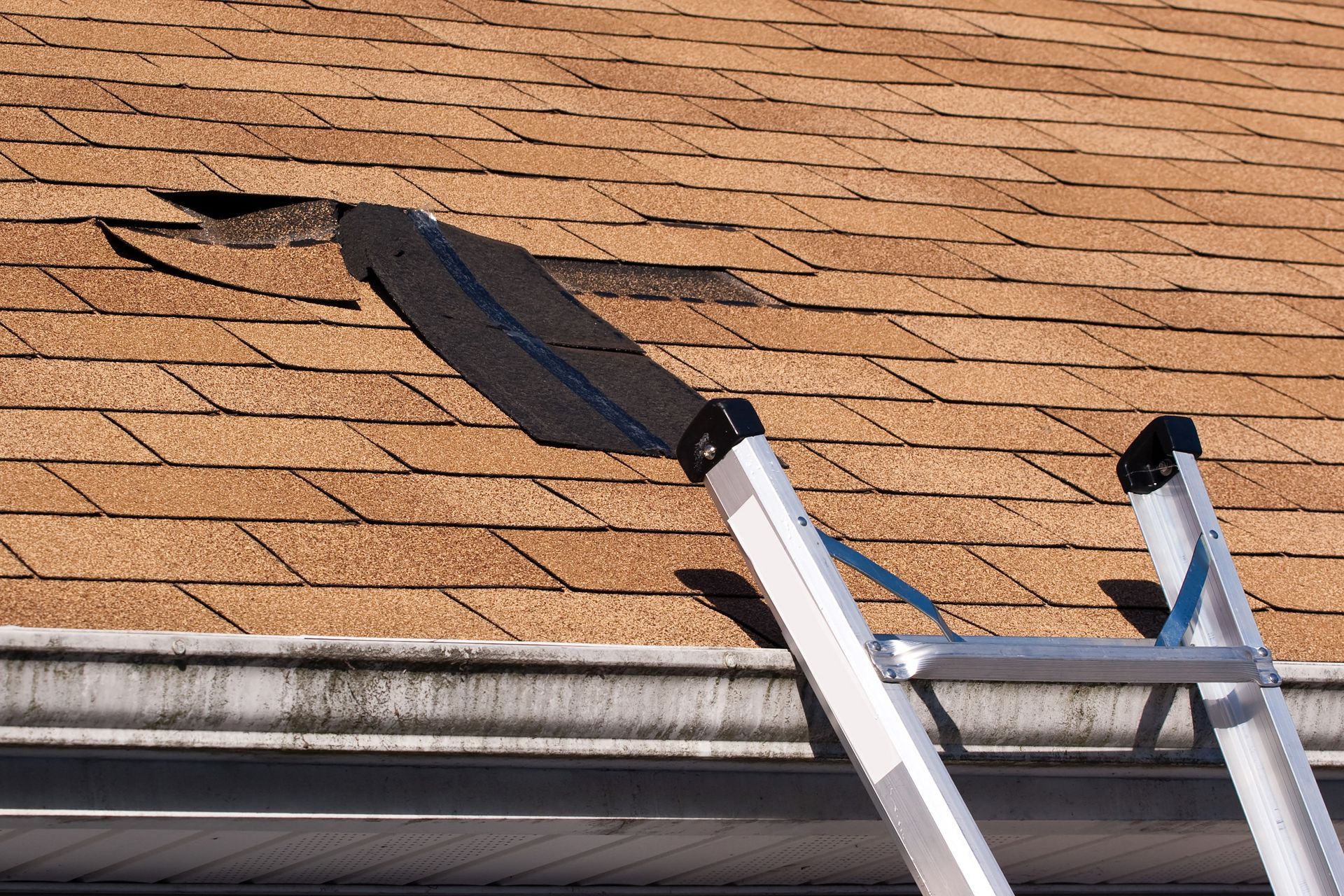
Roof damage can manifest in various forms, including leaks, broken or missing shingles, and structural sagging. Leaks are one of the most common types of damage and are often indicative of underlying issues, such as compromised underlayment or deteriorated flashing. Cracks, rust, and punctures in metal roofs similarly suggest potential systemic damage. Meanwhile, broken, curled, or missing shingles are often due to high wind speeds or physical trauma from falling tree branches. Structural damage can include sagging areas along the roofline, which may point to rotted decking or severe rafter issues beneath the surface.
Roof damage primarily arises from environmental and physical causes. Weather is a significant culprit, with severe storms, hail, wind, and snow causing a wide variety of structural damage. Additionally, poor installation or maintenance can exacerbate existing issues or even cause entirely new problems. Physical trauma, such as falling trees or fire, can cause immediate, catastrophic damage. Over time, constant exposure to ultraviolet rays inevitably wears down roofing materials, further contributing to roof degradation.
Indicators that a professional roof inspection is necessary include visible exterior damage such as missing, cracked, or severely curled shingles. Water stains on ceilings or interior walls inside the home also suggest that a roof inspection is overdue. Finding a heavy accumulation of granules in gutters, which indicates asphalt shingle erosion, can signal a need for immediate evaluation. Mold, mildew, or moss growth inside the attic or outside on the shingles is another warning sign. Lastly, any roof older than 20 years merits periodic professional inspections.
Short-term roof damage refers to issues that can often be quickly addressed through localized roof repair if caught early, such as minor leaks or individual missing shingles. Conversely, long-term damage involves systemic structural concerns or extensive shingle degradation that often necessitates a complete replacement. Addressing short-term damage promptly can prevent escalation into more severe issues. Prolonged exposure to problematic conditions, like minor leaks, can lead to widespread wood rot and structural degradation, which ultimately reduces your roof repair options. Thus, distinguishing between short-term and long-term damage is crucial.
Roof condition significantly affects overall home value, as potential buyers always scrutinize the roof's state before making a purchase. A well-maintained roof can enhance a home's resale value and curb appeal. Conversely, a neglected roof diminishes a property's attractiveness and market value. Furthermore, roof integrity is vital for ensuring structural safety, as it protects against harsh weather, heavy debris, and pests. Maintaining a robust and secure roof is essential for safeguarding both property value and the safety of the inhabitants inside.
The Cost Analysis: Repair vs Replacement
The costs of basic roof repair can vary significantly depending on the extent of the damage and the material type. Minor fixes, such as replacing a few shingles or sealing a minor pipe boot leak, tend to be highly affordable compared to addressing large, systemic leaks. Labor costs also factor heavily into the total expense, heavily influenced by local market rates and the overall complexity of the layout. Additionally, accessibility issues like steep roof pitches or multi-story homes may increase costs. Homeowners should obtain multiple quotes from reputable contractors to ensure competitive, fair pricing.
Roof replacement is generally more expensive than standard repairs, as it involves the complete removal of old shingles and the installation of completely new materials. Costs vary based on roof size, material choice, and labor expenses. Asphalt shingles are typically the most affordable, while metal, tile, and slate options increase the baseline cost significantly. Removal of the old roof adds to the labor expense, as does any additional work needed for underlying structural repairs. However, a new roof translates to increased energy efficiency and lower maintenance needs.
Various factors can influence the overall cost of executing a roof repair. The material type plays a crucial role; for example, repairing metal roofs or slate tiles is generally costlier than repairing standard asphalt ones. The roof's pitch and accessibility also impact labor costs, as more complex or dangerous roofs require additional safety equipment and expertise. The specific nature and extent of the damage further determine costs, with deep structural issues demanding more extensive work.
Homeowner insurance policies vary, but many cover roof damage caused by specific sudden perils like storms, hail, or falling objects. Routine wear and tear, however, often fall outside standard coverage, necessitating close inspection of policy terms. In some cases, insurance may partially or fully cover repairs or replacement, easing financial burdens. Homeowners should promptly report storm damage to maximize potential insurance benefits. Policyholders are encouraged to consult with insurers to better understand coverage specifics and any requisite steps for filing successful claims.
Assessing the Longevity of Repairs
The expected lifespan of targeted roof repairs hinges on the underlying material and the repair type. For instance, patching a small roof leak or replacing a handful of damaged shingles may last a few years if executed properly. Some specific types of repairs, such as sealing valleys or flashing membranes, may require professional attention again relatively soon. According to industry professionals, assuming proper installation and material quality, typical asphalt shingle repairs can last between five and ten years. Nevertheless, regular maintenance practices can extend this longevity.
Several factors can influence the durability of a roof repair. Quality of materials and workmanship significantly impact how long repairs will last, as subpar materials or shoddy installation will prematurely fail. Environmental conditions, such as high sun exposure and harsh winter weather, also affect repair longevity. Consistent maintenance, including debris removal and gutter cleaning, helps preserve repairs. Additionally, having a clear understanding of material limitations and attending to minor issues promptly can prevent accelerated deterioration.
When Repairs Won't Suffice
In some situations, minor roof repairs might not be sufficient, necessitating a complete replacement. Widespread damage across the entire roof surface, such as extensive water damage or structural sagging, requires a more holistic solution. If the roof has reached the end of its natural lifespan, piecemeal repairs become impractical and overly costly. Furthermore, when repairs occur frequently without resolving underlying issues, replacement offers a more sustainable solution. Observing these signs aids homeowners in making timely decisions about necessary interventions.
In conclusion, the decision between roof repair and replacement is multifaceted, influenced by a variety of factors. Homeowners must assess their specific situations, considering financial, environmental, and safety concerns. Collaborating with seasoned professionals enhances understanding, providing insights that guide informed choices. Weighing the advantages and potential drawbacks of each option ensures that decisions align with individual circumstances and long-term homeownership goals.
By considering these elements comprehensively, homeowners can secure both their property's integrity and its value for years to come. If you are uncertain about the current health of your roofing system, contact the experts at Premier Roofing & Siding Contractors today for a comprehensive evaluation and reliable guidance.