June 15, 2026
Upgrading a home's exterior requires looking at how different structural elements interact with each other. Property owners frequently focus on repairing single areas of damage while ignoring how neighboring building materials impact overall insulation. Combining professional siding updates with necessary roof repairs is a highly practical way to boost a home's energy efficiency.
When your shingles, underlayment, and exterior walls function as a single, unified system, they form a tight seal around your living spaces. This article examines how exterior wall upgrades complement standard roof work, lowering your utility costs while protecting your real estate investment.
Connecting Exterior Structural Boundaries
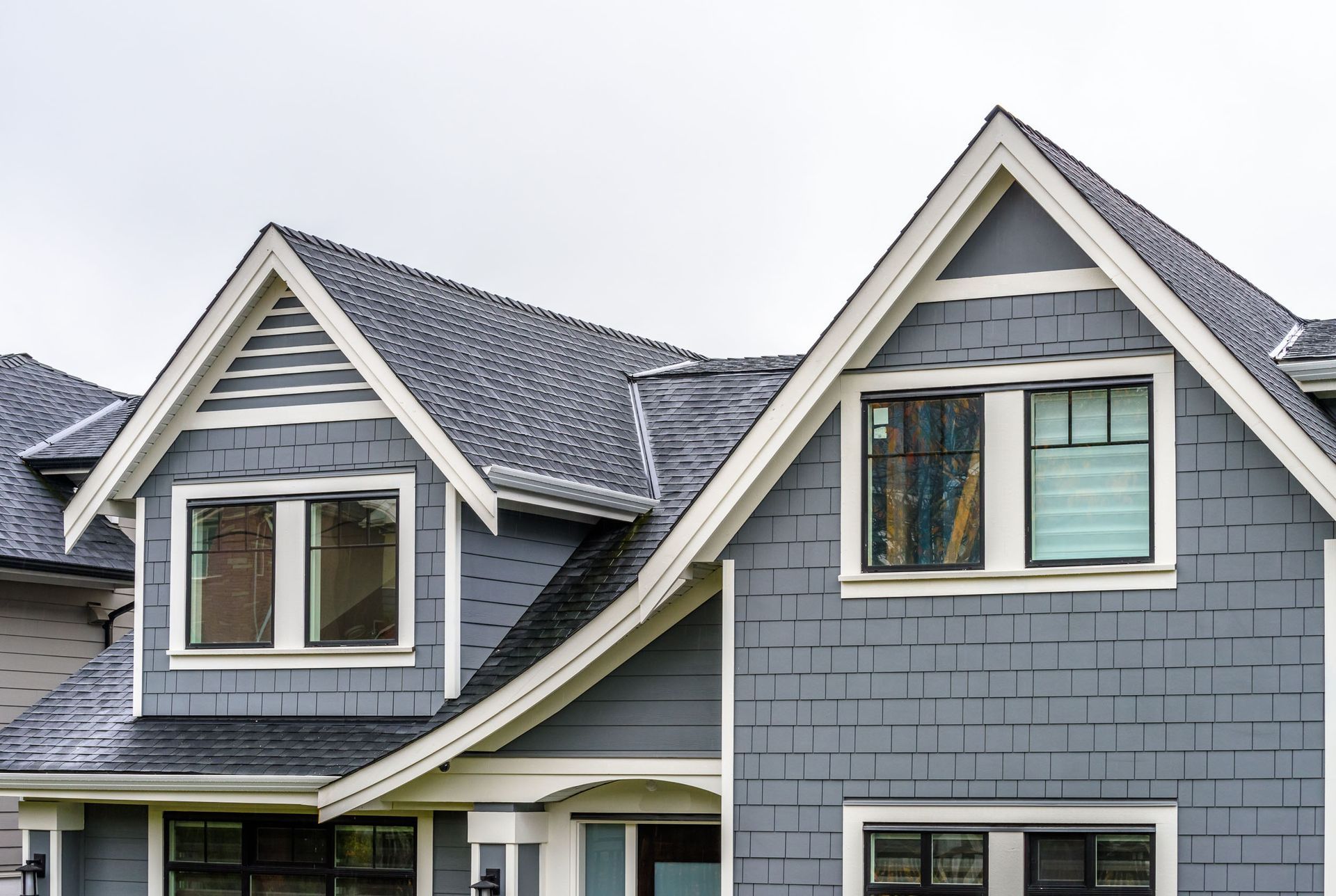
The connection between your roofline and your exterior siding forms the primary boundary line protecting your home from structural moisture damage. These two separate systems meet at critical structural points, including the eaves, soffits, and fascia boards. If a worker fixes an upper leak but neglects the adjoining wall flashing, water can easily seep behind the new panels, rotting the underlying wood framework.
Coordinating your wall maintenance with required roof repairs ensures that these overlapping zones receive proper flashing extensions, protecting the structural integrity of your entire home.
Maximizing Weatherproofing Layers
Your exterior siding acts as a lateral shield against windblown rain, while your shingles protect the home from heavy downpours above. When both systems are correctly aligned, they create an airtight barrier that keeps moisture from rotting your wall insulation or attic rafters. Preventing this water intrusion is vital because wet plywood decks or fiberglass batts lose their ability to trap heat, forcing your HVAC unit to work harder. Ensuring your wall materials and roof line match up perfectly keeps your home dry and thermally efficient through severe seasonal storms.
Unifying Exterior Design Elements
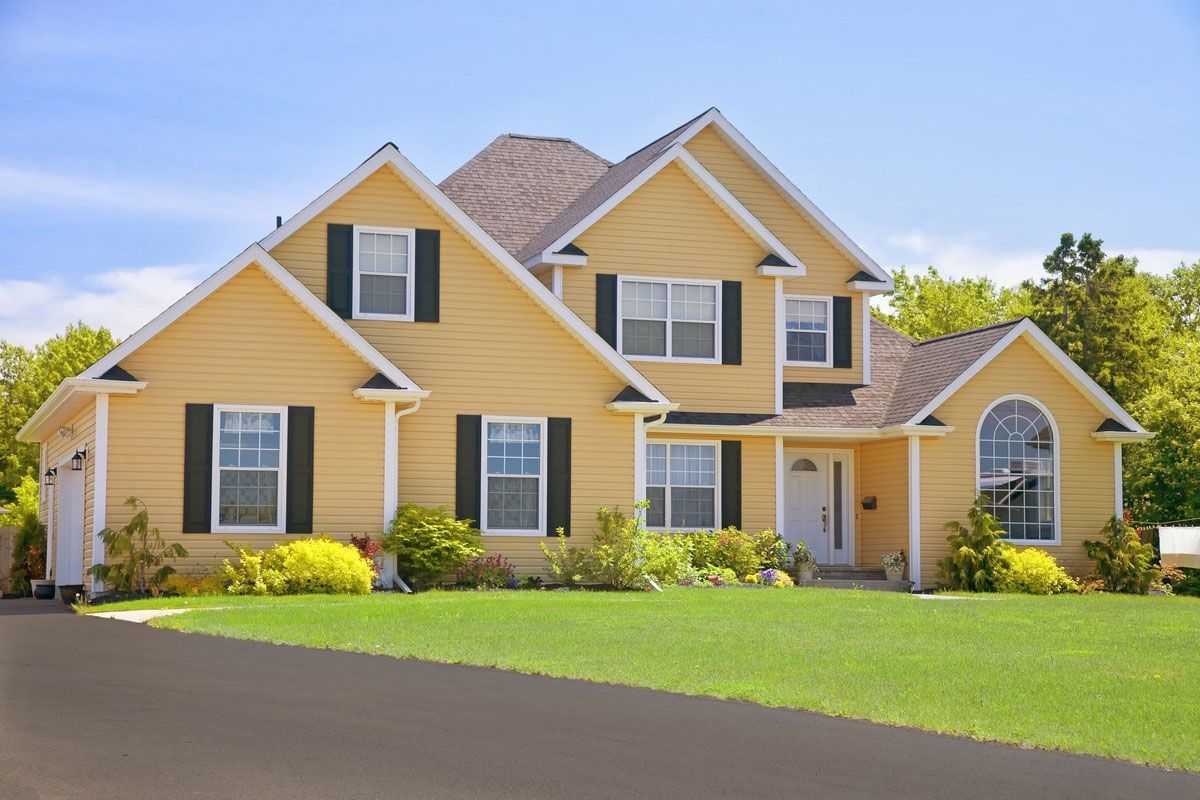
Beyond structural protection, matching your exterior materials updates your home's architectural style and boosts its market value. Your shingles and siding panels represent the largest visual elements of your home's exterior layout. Collaborating on material colors, profiles, and textures ensures a clean, cohesive appearance that enhances curb appeal. Combining exterior upgrades makes it easy to balance visual design with durable weatherproofing, transforming your home into a beautiful, energy-efficient property.
Lowering Household Utility Expenses
The primary benefit of coordinating wall updates with overhead repairs is a noticeable reduction in thermal heat transfer. During hot summer months, sunrays beat down on your shingles and siding, warming up your attic space and interior living areas. Utilizing insulated vinyl panels alongside reflective asphalt shingles stops this heat exchange before it reaches your ceiling.
Minimizing this thermal energy transfer keeps your indoor spaces naturally cooler, reducing the workload on your air conditioner and lowering your monthly power bills.
Improving Home Insulation Values
A well-insulated home interior relies on a continuous thermal barrier without any gaps or thin spots. If you update your attic insulation during roof repairs but leave thin, uninsulated boards on your exterior walls, heat will continue to escape through your siding. Adding an extra layer of rigid foam insulation beneath new siding panels eliminates these structural weak points. This comprehensive approach keeps your home warm during the winter and cool during the summer, maximizing your indoor comfort.
Sealing Structural Air Leaks
Uncontrolled drafts around your roofline and wall corners waste money by letting conditioned air escape outside. Synchronizing your wall siding updates with your localized roof repairs allows technicians to seal structural air leaks along the top plates of your exterior walls. This tight structural seal keeps cold winter winds from blowing into your home, optimizing your HVAC unit's performance.
Maintaining a secure exterior shell is an ongoing necessity for modern properties. According to real estate tracking data from RubyHome, workers install roughly 5 million roofs each year in the U.S., showing how often homeowners must invest in structural upkeep to preserve building efficiency.
Selecting Materials for Long-Term Durability
Choosing compatible exterior materials is vital for ensuring your roof line and siding wear evenly over time. Mixing premium architectural shingles designed to last for decades with low-grade vinyl siding panels means your walls will fade, crack, and warp long before your roof ever needs attention. Conversely, installing top-tier fiber cement panels next to cheap, entry-level shingles means you will be tearing apart your roof line and disturbing your pristine wall trim much sooner than expected.
Aligning the durability ratings of your exterior components ensures that your home stays fully protected without requiring constant, alternating service visits. This balanced material selection simplifies your long-term property upkeep and keeps your exterior looking uniform.
Lowering Upkeep Costs
Investing in durable, commercial-grade exterior materials lowers your property expenses by eliminating the need for frequent patch jobs. High-quality fiber cement siding and thick architectural shingles resist wind peeling, impact damage from hail, and ultraviolet fading. Using tough, resilient materials means you will not have to budget for emergency repairs after standard summer thunderstorms, keeping your home improvement plan affordable and predictable.
Sourcing Weather-Resistant Options
Modern manufacturing has introduced advanced exterior materials designed specifically to withstand harsh regional weather patterns. Homeowners can select vinyl siding coated with ultraviolet inhibitors to stop sun cracking, or shingles treated with copper granules to prevent algae growth. Utilizing these specialized, weather-resistant materials protects your home from moisture damage and rot, ensuring your exterior walls and roof line stay structurally sound through every season.
Managing Complex Exterior Renovations
Managing an exterior home renovation requires careful planning to prevent different installation crews from getting in each other's way. For example, if a siding team finishes their wall panels before the roofing crew completes the edge shingles, falling debris can scratch or dent the new walls. Meticulously scheduling your wall updates alongside your targeted roof repairs ensures that technicians work from the top down, keeping your construction site safe and organized.
Exchanging Technical Construction Knowledge
Roofers and siding installers bring specialized structural knowledge to a job site. When these teams coordinate, they can solve tricky drainage problems around dormers and roof valleys where walls meet the roofline. This exchange of technical knowledge ensures that complex metal flashing is bent and layered correctly, creating a waterproof channel that directs rainwater straight into your gutters without pooling against your siding.
Eliminating Subcontractor Delays
Planning a synchronized exterior upgrade prevents scheduling conflicts and eliminates unnecessary downtime between projects. Instead of waiting months for a separate company to show up and fix your gutters or trim after your roof is finished, a combined project approach handles all your exterior needs in a single visit. This streamlined process reduces the time your home is surrounded by scaffolding, lowering your stress and getting your yard back to normal quickly.
Bypassing cheap, temporary fixes is the most effective way to lower your energy bills and keep your home safe from severe weather damage. Relying on coordinated siding installations and durable roof repairs ensures that your home's exterior remains completely sealed against moisture and structural drafts. Taking care of your roof line and walls at the same time protects your original home investment, eliminates unexpected maintenance fees, and lowers the strain on your heating and cooling systems.
When your home requires expert shingle replacements, custom insulated siding panels, or detailed storm damage restorations, choosing a team with wide-ranging exterior expertise is the smartest path forward. Connect with Premier Roofing & Siding Contractors to handle your upcoming exterior renovations, wall installations, and targeted roof repairs with complete precision. Using professional, coordinated building solutions stabilizes your home's infrastructure, giving your family a comfortable, level, and highly energy-efficient living environment that holds its value.